Lakeland Brands
Collections
Articles
Downloads
Tools
Hazards
Industries
…and what are the consequences for selection of flame and heat protective clothing? When it comes to protection against real...
Primary FR workwear is an important PPE need in many industries – especially oil & gas. Selection and performance are...
When preparing for a turnaround project, it’s essential to ensure your workers have the proper protective garments. Lakeland Industries manufactures...
The thought of coming into regular and direct contact with crude oil, gas, and other dangerous chemicals would strike fear...
Petrochemical plants and oil refineries are complex organizations, and it takes a specialized crew to ensure that these environments run...
How do you know that your team is wearing the right personal protective equipment for their unique work environment? Most...
EN 1149 is the standard for “anti-static” or “static dissipative” clothing. And while well known and a common requirement for...
CAT and CAL ratings for clothing are critical to ensure workers are equipped to manage hazards associated with a worksite....
In critical industries, including utilities, infrastructure maintenance, and transportation, rain delays are not an option. Electric utility linemen and oil...
In our blog “Decoding Heat Tolerance and Temperature” I looked at the confusion between the terms “heat tolerance”, “temperature” and...
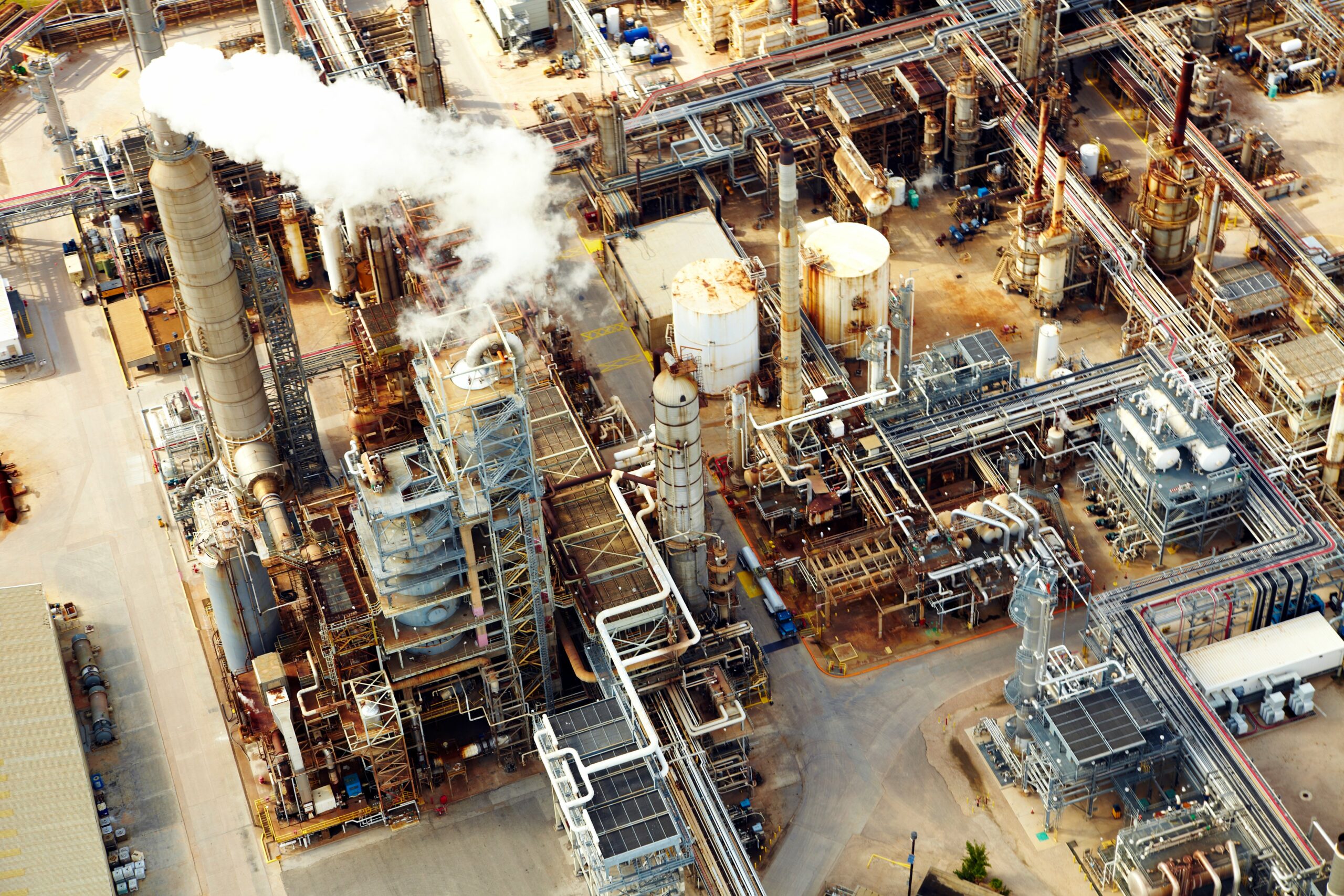
Regardless of risks and potentially dangerous tasks, oil and gas industry employment is on the rise. One of the most...
As we have said in previous blogs and literature on our website, the CE marking is nothing more than the...
This blog considers Secondary FR Workwear; its importance, the different types and the fact that three specific brands in the...
Confirming that your FR workwear is certified to the EN 11612 standard is vital. But as always with standards, the...
When it comes to FR protection, there are multiple FR standards which can potentially lead to confusion for safety managers...
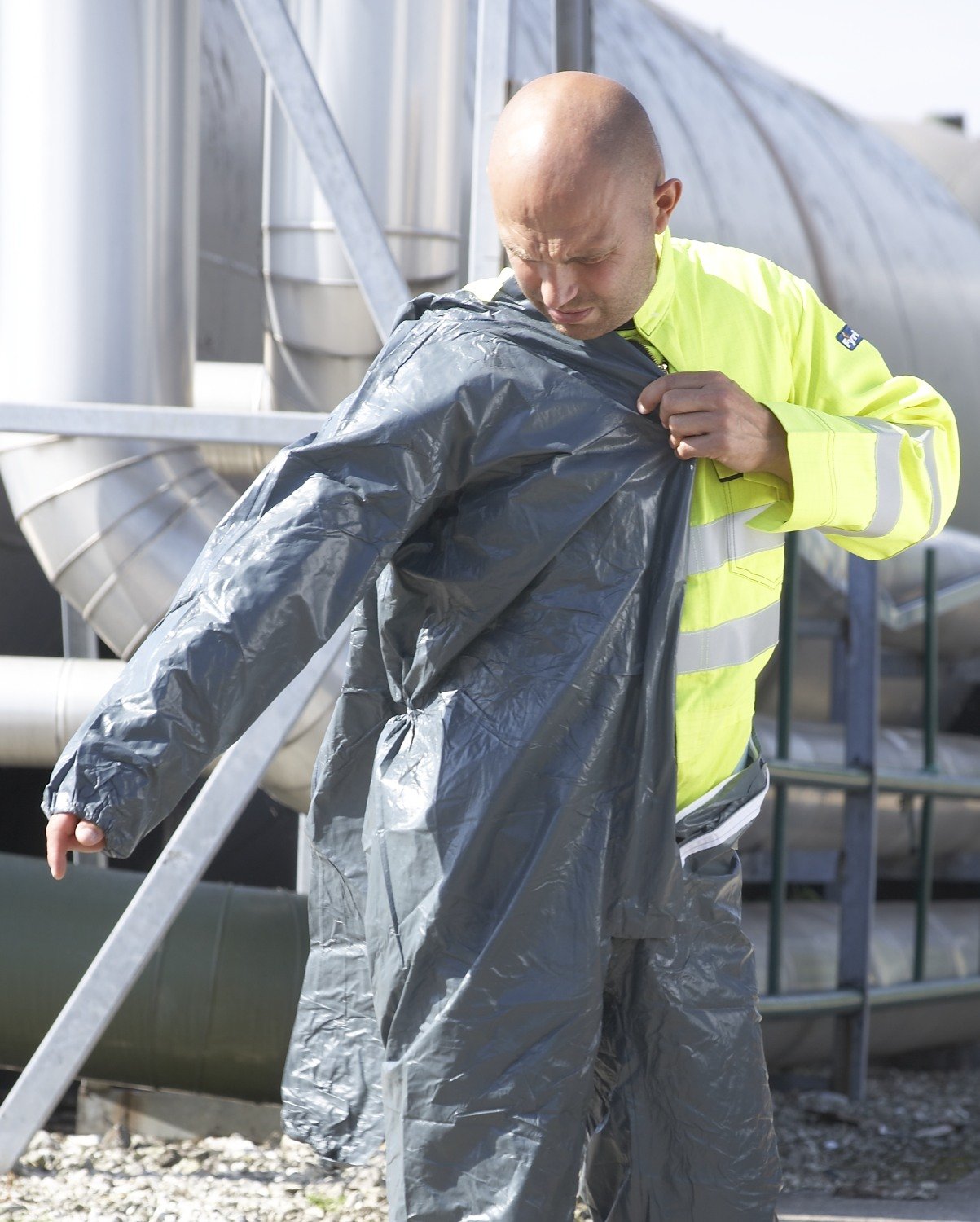
Secondary FR disposables and chemical suits provide an important function – especially in the oil, gas and petrochemical industries –...
Considering how vital flame-resistant (FR) fabrics are in protecting workers in hazardous environments, there is a great deal of misinformation...
View Locations
Search Chemicals
Document Finder
Please wait while you are redirected to the right page...